
Winter Camping in Rishikesh: How Cold It Gets and What to Pack
How cold Rishikesh camps get from December to February, which stays keep you warm, what to ask before booking, and a complete winter packing list.
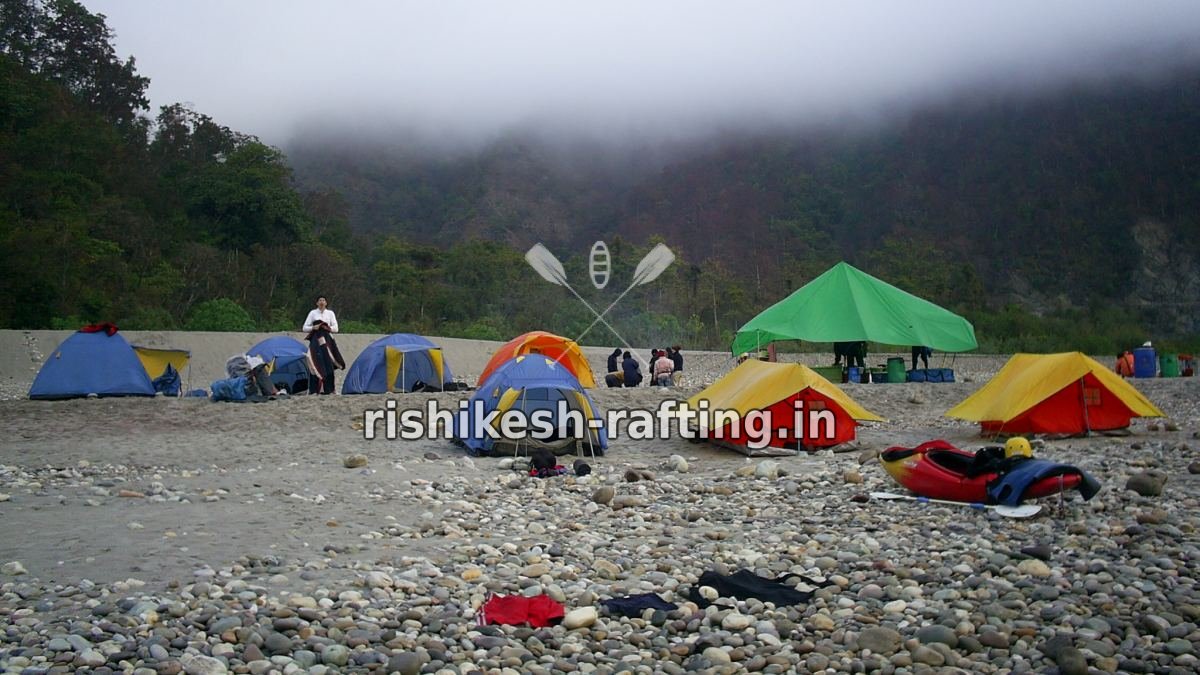
Winter is a lovely time to camp in Rishikesh: clear sunny days, fewer crowds than spring, and long evenings by a fire. It is also properly cold at night, especially by the river, and many visitors from the plains underestimate it. This guide covers how cold it really gets from December to February, which kind of stay keeps you warm, and exactly what to pack.
How Cold Does It Get?
Rough figures for Rishikesh in a typical winter:
| Month | Daytime | Night | What it feels like at a camp |
|---|---|---|---|
| December | Mild and sunny, around 18–22°C | Cold, often 5–8°C | Warm in the sun, cold as soon as it sets |
| January | The coolest days, often below 20°C | The coldest nights, can drop to around 3–5°C | Foggy mornings are common; nights by the river feel colder than the number |
| February | Warming up, around 20–24°C | Still cold, around 7–10°C | Pleasant days; evenings still need a warm jacket |
These are typical ranges, not forecasts. Check the forecast for your dates before you pack. Three things make a camp feel colder than town: the river (cold air and damp settle along the water), the valley (the sun leaves the camp early behind the hills), and canvas (a tent holds much less warmth than a room).
Choosing a Stay That Keeps You Warm
- Furnished tents with proper beds are fine in winter if the bedding is good. You're off the cold ground, and a tent with an attached bathroom saves a cold walk at night.
- Dome tents on mats are the coldest option. Choose them in winter only if you're used to camping and bring a warm sleeping layer.
- Cottages and rooms are the comfortable choice for families with young children, older travellers and anyone who feels the cold.
Before you book, ask the property:
- How many blankets or quilts are provided per person, and can you get extra?
- Is there hot water, and at what times?
- Is the bathroom attached, or a walk away?
- Is there a bonfire in the evening, and until what time?
- Are hot drinks available late in the evening and early in the morning?
What to Pack
For the evening and night:
- Thermal top and bottoms to sleep in
- A warm fleece or sweater, plus a jacket for sitting outside
- A woolly hat, warm socks and a spare pair for sleeping
- Closed shoes for evening; slippers for inside the tent
For the day:
- Light layers you can take off in the midday sun
- Sunglasses and sunscreen; the winter sun is strong
- A water bottle; it's easy to drink too little when it's cold
Always useful:
- A torch or headlamp for paths between tents
- A power bank; cold drains phone batteries faster, and charging may be in a common area only
- Lip balm and moisturiser; the air is dry
- Any regular medication, in your day bag rather than the car
Sleeping Warm in a Tent
- Change into dry clothes before bed. Damp clothes from the day make you cold all night.
- Wear a hat and dry socks to sleep.
- Eat a proper dinner and have a hot drink before turning in.
- Close the tent flaps once the sun goes down, to keep in what warmth there is.
- Ask for an extra blanket early, before the staff go off duty, rather than at 2 am.
Rafting in Winter
Rafting runs through the winter when the river and weather allow, and the river is clear and quieter than in spring. The water is cold, though. Raft late morning once the sun is out, keep a full set of warm clothes and a towel ready for the end, and expect a bracing, short-feeling trip rather than a long lazy one. For which months suit which route, see our rafting calendar. If anyone in your group has heart, breathing or other health concerns, read when not to go rafting first; cold water adds strain.
Winter Camping With Children and Older Travellers
- Choose a cottage, or a furnished tent with an attached bathroom.
- Pack more warm layers than you think you need, especially for small children, who lose heat quickly.
- Keep evenings by the fire short for young children, and get them into warm, dry clothes early.
- For rafting, children need to be 12 or over for the gentle Brahmpuri and Phool Chatti stretches, and 14 or over elsewhere. Cold water is less fun for younger rafters, so many families raft in October, November or March instead.
Frequently Asked Questions
Is it too cold to camp in Rishikesh in January?
No, but January has the coldest nights. With good bedding, warm clothes and a stay with hot water, it's comfortable. If you feel the cold badly, choose a cottage or room over a tent.
Do camps have heaters?
Some properties offer heaters or hot-water bottles, others don't, and tents rarely have power for heaters. Don't rely on one: ask the property, and pack warm regardless.
Is winter a good time to visit Rishikesh?
Yes, for clear skies, quieter weekdays and evenings by the fire. The exception is the New Year week, which is very busy. If you're going then, see our guide to New Year in Rishikesh.
What's the most common mistake?
Packing for the daytime temperature. Midday in the sun feels like spring; the same evening by the river can feel close to freezing. Pack for the night.
Want a warm base by the river this winter? Compare camps, cottages and rooms on RaftingX →