
Camping Near Rishikesh: Tents, Resorts or Hotels, and How to Choose
Riverside tents, resorts or a room in town? An honest guide to camping near Rishikesh: what each stay includes, when to go and what to check before booking.
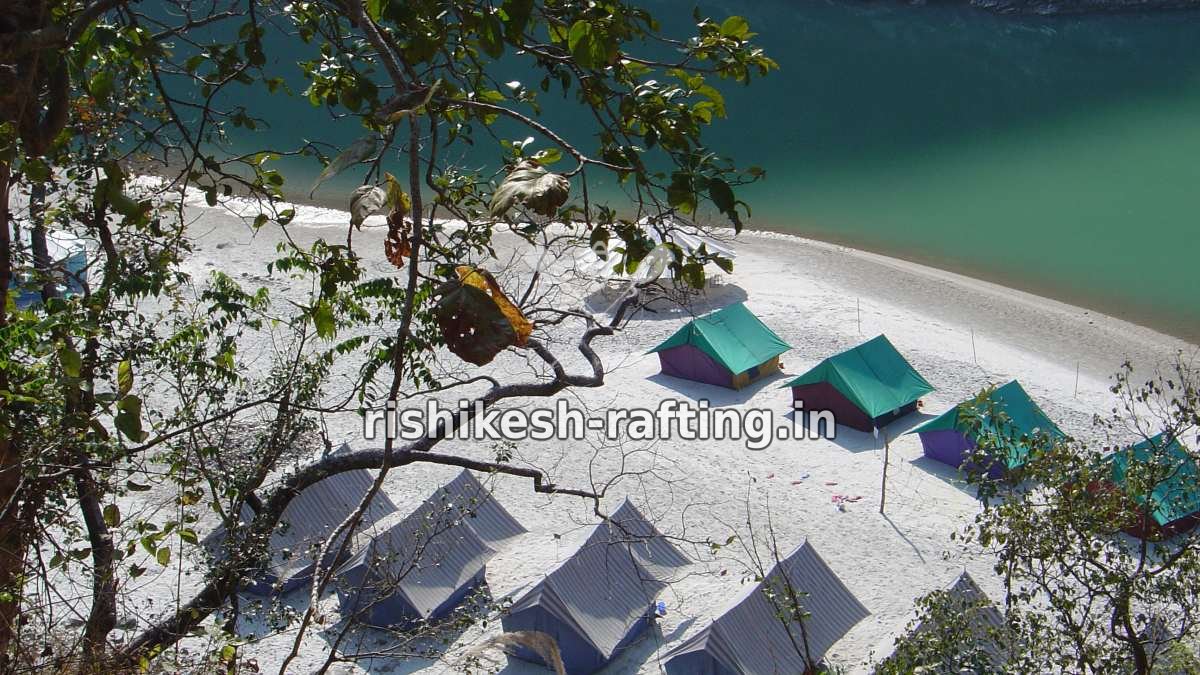
"Camping in Rishikesh" can mean very different nights: a tent a few steps from the Ganga, a cottage in a riverside resort, or a simple room in town. All three are a fine base for rafting. Which one suits you depends on who you're travelling with, the season, and how much comfort you want after a day on the river. This guide explains the differences honestly, so you can choose before you book.
Tents, Resorts or Hotels: The Short Version
| Type of stay | What you get | Best for | The trade-off |
|---|---|---|---|
| Camps (tents) | A tent with beds, usually by the river or in the forest, with shared meals and evenings outdoors | Friends, couples and groups who want the river experience | Less privacy and comfort; colder in winter, warmer in summer |
| Resorts and cottages | A cottage or room in a property with grounds, often outside town and close to the river | Families and anyone who wants nature with a solid roof and a private bathroom | Usually costs more than a tent; fewer of them right on the water |
| Hotels and rooms | A regular room, mostly in or near town | Short trips, early starts, and people who want cafés, the ghats and the aarti on foot | No campfire-by-the-river feel; you travel up the valley for most rafting put-ins |
Where the Stays Are
Stays around Rishikesh fall into two broad areas:
- In and near town (Tapovan and the Lakshman Jhula and Ram Jhula areas): hotels, guesthouses and a few resorts. You can walk to cafés, temples and the evening Ganga aarti. NIM Beach, where every rafting route finishes, is in Tapovan.
- Up the Ganga valley (along the road towards Shivpuri and beyond): this is where most camps and riverside resorts are. It's quieter and greener, the nights are darker, and you are close to the rafting put-in points. The trade-off is that town is a drive away.
If rafting is the main reason for your trip, a stay up the valley means less driving on the morning of your raft. The 14 km Shivpuri route, the one most visitors choose, starts in that stretch.
What "a Tent" Can Mean
Tents vary more than most people expect, so read the listing carefully:
- Dome tents: small tents with sleeping mats or mattresses. Basic and outdoorsy. Bathrooms are shared.
- Furnished tents (often called Swiss tents): tall canvas tents with proper beds, sometimes with a bathroom attached at the back.
- Bell tents and "glamping" tents: roomier canvas tents with more furniture and better bedding.
The two questions that matter most: is the bathroom attached or shared, and is there hot water? Both make a big difference in winter.
What Usually Comes With a Camp Stay
Every property sets its own package, but camp stays commonly include some of these:
- Meals: often a set dinner and breakfast, served buffet-style. Some camps include lunch on arrival day, some don't.
- An evening bonfire in the cooler months, if the camp allows it.
- Simple outdoor activities such as beach volleyball, a short walk to the river or a riverside sitting area.
- A rafting add-on, sometimes bundled, sometimes sold separately.
Never assume. Confirm what's included before paying, especially meals and rafting. On RaftingX, extras that aren't in the stay price are paid at the property, and each listing shows what it includes.
When to Camp
- October to November: pleasant days and cool nights. A good all-round time to camp.
- December to February: sunny days but cold nights, especially by the river. Fine for camping if you pack warm and choose a stay with blankets and hot water. Our guide to winter camping in Rishikesh covers this in detail.
- March to June: warming up, then hot by May and June. Busy, because it's peak rafting season. A tent by the river is cooler than a room in town.
- July to September (monsoon): commercial rafting stops during the monsoon. Some camps close for the season and some stay open. If you're travelling then, check that your stay is operating before you plan around it.
For how the river changes month by month, see our rafting calendar.
House Rules Differ by Property
Rishikesh town is vegetarian and alcohol-free by local rule. Stays outside town set their own rules on food, alcohol, music, smoking, pets and quiet hours. If any of these matter to your group, check the property's rules before you book, not after you arrive.
Camping With Children
There's no age bar for camping, so families with young children are welcome. A few practical points:
- Choose a stay with an attached bathroom and a gentle path to your tent or cottage.
- Ask how close the tents are to the water, and keep children supervised near the river. The Ganga is fast and cold even where it looks calm.
- On RaftingX, stays are priced per room, children up to 5 don't need their own bed, and children up to 5 eat free. Older children pay part or all of the meal price, depending on the property.
- Rafting has its own age limits: 12+ on the gentle Brahmpuri and Phool Chatti stretches, 14+ on everything else.
Before You Book: A Checklist
- Type of stay: dome tent, furnished tent, cottage or room?
- Bathroom: attached or shared? Hot water?
- Meals: which ones are included, and are they vegetarian only?
- Getting there: how far from the road, and are there steps to carry luggage down?
- Power: is there electricity and phone charging in the tent or only in a common area?
- Check-in and check-out times. On RaftingX the default is check-in from 2 pm and check-out by 11 am, unless the property sets its own times.
- Payment and cancellation: how much is paid now, how much at check-in, and what happens if you cancel.
- Rafting: included, bundled, or booked separately? Which route?
What to Pack for a Camp Stay
- A warm layer for the evening, even in October and March. Proper winter clothes from December to February.
- A torch or headlamp. Paths between tents can be dark.
- Slippers or sandals, a small towel and basic toiletries.
- A power bank, in case charging is only available in a common area.
- Insect repellent in the warmer months.
- For rafting, a change of clothes and a dry bag. RaftingX has a guide on what to wear rafting.
Where RaftingX Fits
To be transparent: this site is run by the team behind RaftingX, which lists riverside camps, cottages and rooms around Rishikesh. On RaftingX camping you choose your dates, see the price per room before you pay, pay part of it online to confirm, and pay the balance at check-in. Prices vary with the season, the day of the week and the type of stay, so check live rates for your dates.
Frequently Asked Questions
Is camping in Rishikesh safe?
Established camps are safe and used by families, students and corporate groups all year. Choose a stay with clear rules and staff on site, keep valuables with you, and stay out of the river at night. The current is strong even near the bank.
Do I need to book a camp in advance?
On weekends, long weekends, around New Year and in peak rafting season (March to June), yes: the better stays fill up. On weekdays outside those times, you can often book a day or two ahead.
Tent or cottage for a first camping trip?
If you've never camped and you're travelling in winter or with young children, a furnished tent with an attached bathroom, or a cottage, is the comfortable choice. If you're a group of friends in October, November or March, a riverside tent is the classic Rishikesh experience.
Can I combine camping with rafting?
Yes, and it's the most popular way to do it: raft in the morning, then spend the evening and night by the river. Stays up the valley are closest to the put-in points. Start with our complete rafting guide to pick a route.
Looking for a stay? See riverside camps, cottages and rooms on RaftingX →